
|
The Montague Cobb Institute is excited to join the National Medical Association for the Professional Development Series on September 16th in Washington DC, in conjunction with the Congressional Black Caucus Foundation. Our session brings together leaders from clinical research, industry and community engagement for a session titled "Project IMPACT 2.0: The NMA’s National Call to Close the Research Representation Gap," and features a panel discussion, “The Opportunity and the Mandate for NMA Physician Engagement.”
Digitization for Health in Africa: Harnessing Artificial Intelligence for Health Equity and Universal Health Coverage in Africa. Online Summit, 18th August 2026Join global leaders to explore how artificial intelligence is transforming healthcare across Africa. Featuring WHO AFRO, Africa CDC, World Bank, Google Cloud and other strategic partners. Virtual executive zoom webinar. Note: This meeting is not CME accredited. Program Registration
Cobb Institute & Partners: Events at NMA Convention, July 25 - 29, 2026NMA Program Book: Program Book with Speaker Biographies - Cobb Institute Events NMA Schedule Overview: Schedule of Events Browse Quick Reference Guide Walk A Mile With a Child, Saturday 7AM to Noon, Health Fair in Hall C: Program Health Justice & Equity: A National Consensus on Racism & Health. Program Building Wealth, Strengthening Care: Investing in Physicians Serving Communities with the Greatest Needs. Program Registration
Project IMPACT 2.0 Symposium: Challenges in Chaotic Times ~ Shaping the Future of Clinical Trials. Program Resource Hub Jane Cooke Wright Oncology Symposium & Poster Walk: Precision Medicine ~ Using Innovation to Move Cancer Care Forward. Program
Cobb Scholars Convening at NMA Convention, July 27, 2026How can medical educators and researchers preserve scientific accuracy when language itself becomes constrained? Join experts exploring practical strategies to protect evidence-based communication, strengthen education and research, support equitable decision-making, and ensure population-specific health data continue informing policy, clinical practice, and improved health outcomes for all. Program
Honoring the Legacy of Rev. Jesse L. Jackson, Sr. A Collaboration of the National Medical Association and the W. Montague Cobb/NMA Health Institute, recorded Tuesday February 24, 2026.We honor the Life and the Legacy of the Rev. Jesse L. Jackson, Sr., a true “Drum Major for Justice.” This pause in our respective lives is not only the right thing to do, but it is a necessary course of action to take on behalf of both the National Medical Association and the W. Montague Cobb/NMA Health Institute, who have been blessed to benefit from strategy development and direct interaction with Rev. Jackson, that led to demonstrable action that would benefit all of us in the Montague Cobb NMA Health Institute community. It was also an honor to be joined by Dr. Roger Mitchell Jr., the 126th President of the National Medical Association and Dr. Leon McDougle, the 121st President of the National Medical Association in a discussion that explored several examples of the impact provided by Rev. Jackson upon our shared history, our progress, our disappointments and ultimately our views and hopes for the future. The full video of this discussion can be found on our webinar page. Dr. Jackson had a broad vision of the communities he addressed and of the leadership who served those communities. We support the many calls for action from Rev. Jackson to the NMA and to Black Health professionals to assure that Healthcare is an attainable right for all and not just for a few. Welcome one and all to this important opportunity for Reflection upon the life of Rev. Jesse Jackson, Sr. Randall C. Morgan Jr., MD, MBA
Cobb Institute President & CEO Receives JRGOS 2026 Augustus A. White, III, MD, PhD Founders Award Randall C. Morgan, Jr., MD, MBA, Cobb Institute President & CEO, receives the Augustus A. White, III, MD, PhD Founders Award for 2026, a prestigious honor presented to a distinguished member of the J. Robert Gladden Orthopaedic Society who has demonstrated exceptional leadership in the field of orthopaedic surgery. This award recognizes the recipient's exceptional contributions to advancing culturally sensitive musculoskeletal care while promoting inclusion in orthopaedics and exemplifying an unswerving commitment to excellence in the field. Read more
2026 W. Montague Cobb/NMA Health Institute Health Disparities Symposium
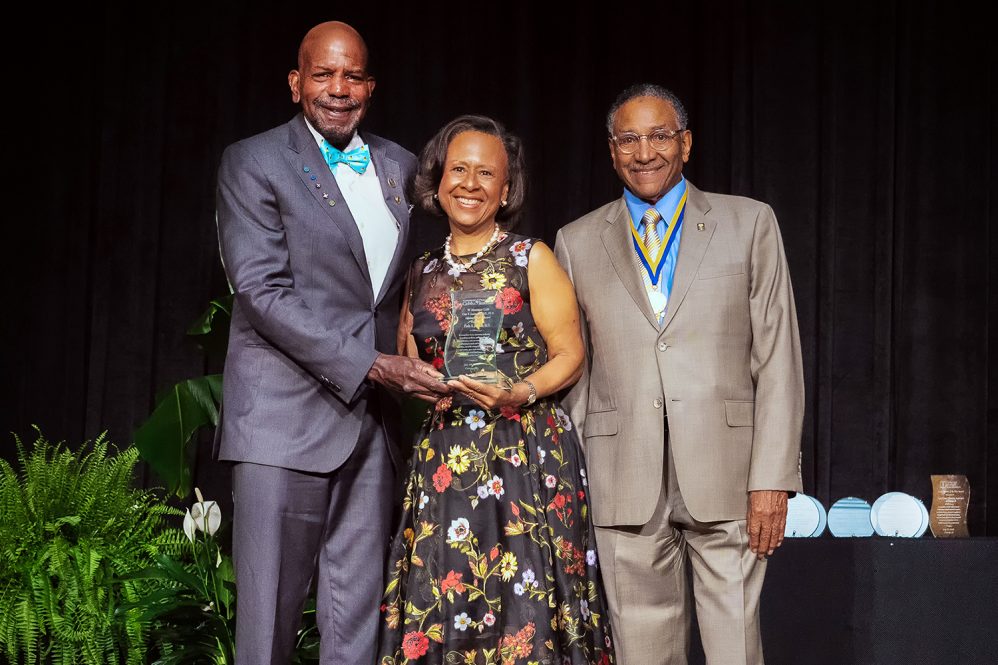
The Cobb Institute Timeline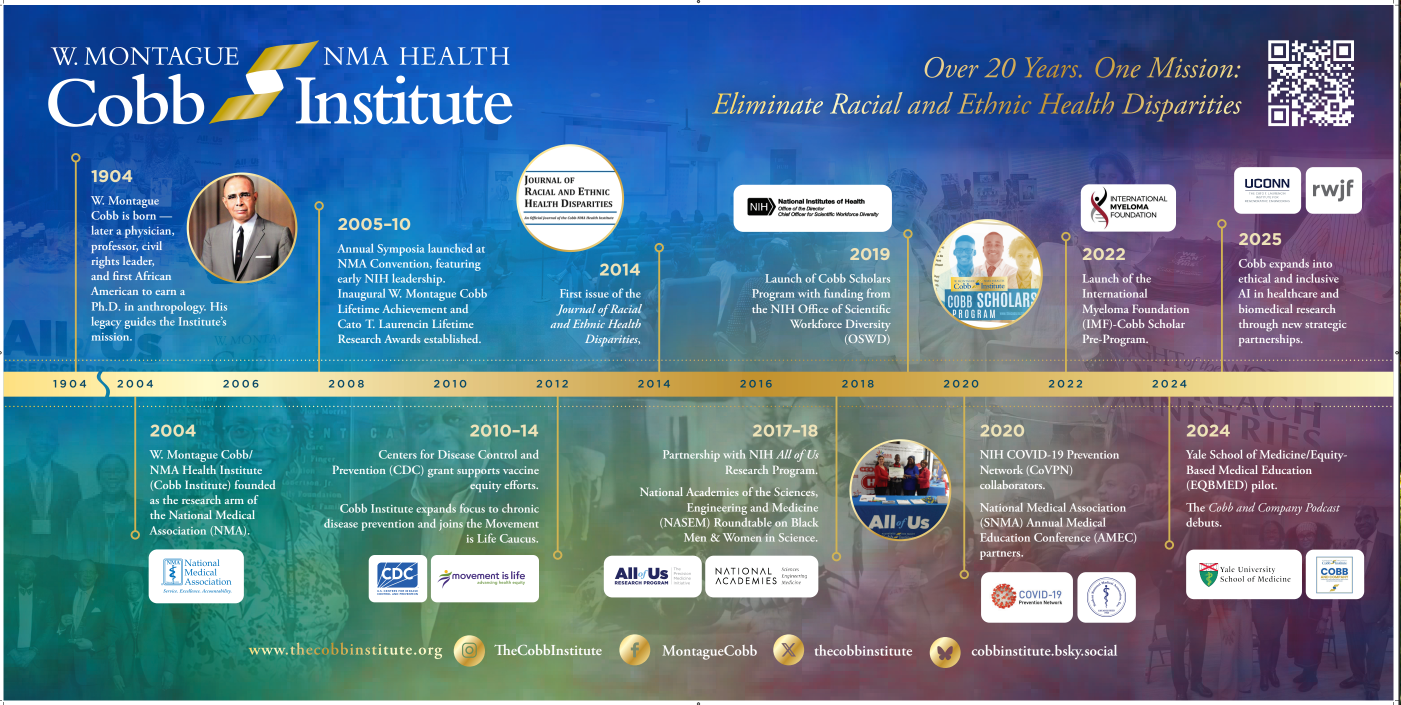 The Cato T. Laurencin Lifetime Research Award Given to Dr. Paula A. JohnsonThe 2025 Cato T. Laurencin Lifetime Research Award was bestowed upon Dr. Paula A. Johnson at the opening ceremonies of the National Medical Association annual meeting. The award, named in honor of Professor Sir Cato T. Laurencin of the University of Connecticut, was given by Dr. Laurencin. It is considered one of the highest honors of the W. Montague Cobb/National Medical Association Health Institute and the National Medical Association. Full story.
W.Montague Cobb Institute at the NMA Convention, 2025
Why Dr. Montague Cobb Still Matters in the Age of AIDr. Montague Cobb was a groundbreaking scientist who challenged racism not just in society, but in science itself. As the first African American PhD in physical anthropology, Cobb used his expertise to debunk myths of racial inferiority that once passed as scientific truth. In the 1930s, Cobb analyzed the athletic achievements of Jesse Owens and concluded that his success stemmed from talent and training—not race. Through work like this, Cobb dismantled the core assumptions of "race science" using data and reason. He didn’t stop there. Cobb fought medical segregation, mentored Black physicians, and reminded the world that more variation exists within racial groups than between them. His legacy is one of science in service of justice. Fast-forward to today. Artificial intelligence tools, from voice assistants to medical algorithms, are shaping our lives. But these systems learn from existing data—and if the record is incomplete or biased, so are the results. That’s why Cobb’s legacy matters more than ever. To ensure AI promotes equity rather than inequality, we must continue his mission: producing research that is representative, rigorous, and widely shared. As Dr. Cobb said, “The burden of proof rests on those who assert that any group is innately inferior.” In our digital age, the burden of inclusion rests on us. Let’s carry his scalpel of truth into the algorithmic future.
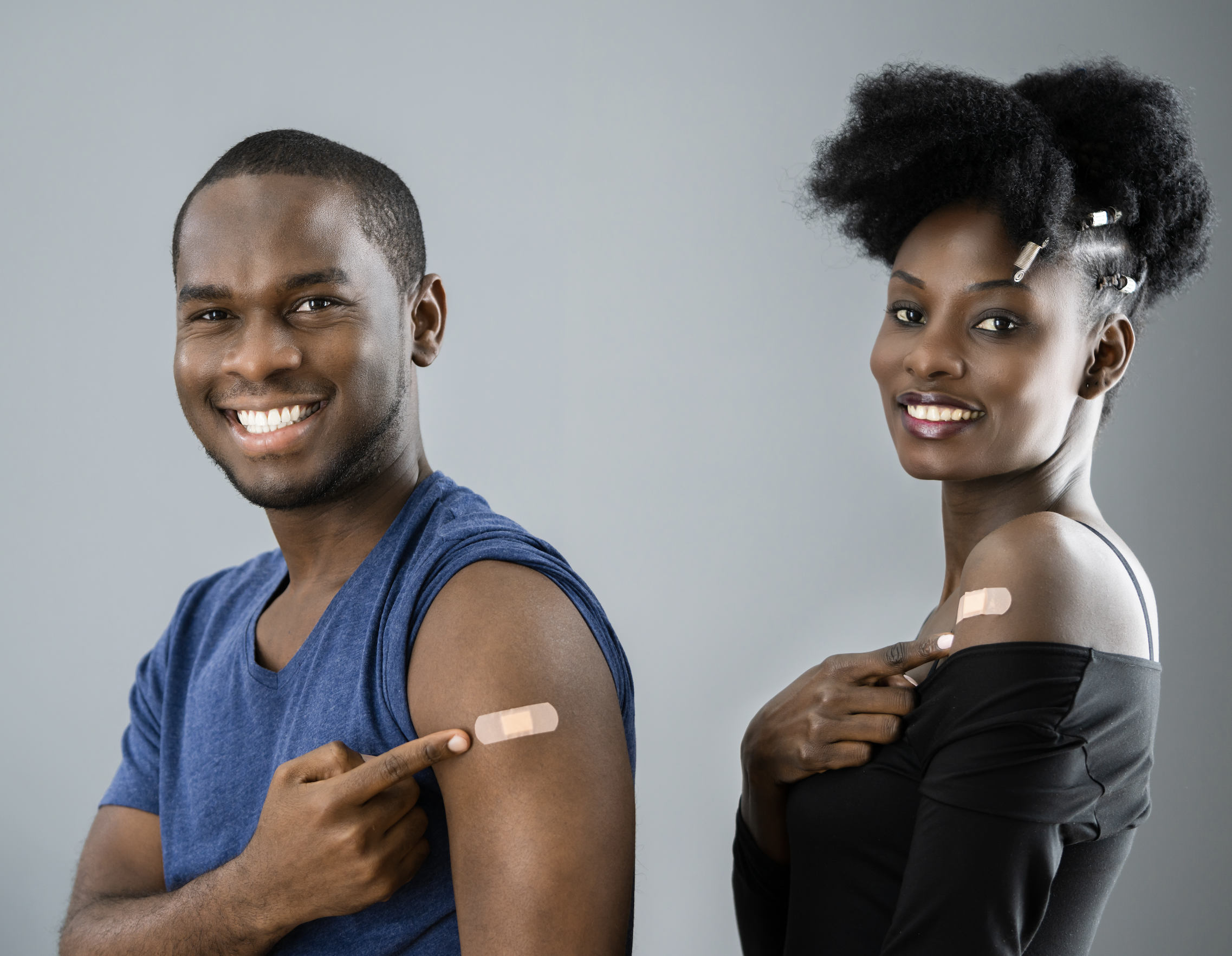
The "Risk Less. Do More" campaign, which launched during National Immunization Awareness Month in August 2024, reaches people who are at higher risk for serious illness, including adults ages 65 and older, residents of long-term care facilities (LTCF) and their caregivers, pregnant people, and those living in rural areas where they may have fewer health resources. It will also reach Black and Hispanic people in the United States who are at higher risk of severe illness from flu, COVID-19, and RSV. The Cobb Institute is one of the partner organizations at the national, state, and local levels who have access to campaign materials developed by HHS in collaboration with the Centers for Disease Control and Prevention (CDC) to help amplify and extend the reach of the campaign messages and activities among priority audiences.
The Cobb Institute will be hosting five in-person events across the country in conjunction with Health Departments in Indianapolis, Detroit, Memphis, Birmingham and Houston. These are educational events that provide an opportunity to receive vaccinations, and encourage thoughtful and culturally sensitive discussions about vaccine hesitancy and misinformation. Three additional events are planned for Sarasota, New Orleans, and Little Rock. Trusted voices in these communities and volunteers wishing to support these activities are encouraged to contact the Cobb Institute by emailing [email protected] Everyone can learn more about the importance of flu, COVID-19, and RSV vaccines during the 2024–2025 season during a livestream discussion featuring Dr. LaQuandra S. Nesbitt. As a professor at The George Washington University, she leads the Center for Population Health Sciences and Health Equity. This is a YouTube Livestream event in partnership with The Cobb Institute, BlackDoctor.org and the "Risk Less. Do More" campaign. More campaign information here. CORE PROGRAMS & INITIATIVES
|





|
The NMA-CA comprises four major components to facilitate physician, nursing, faith-based education, and community-driven COVID-19/flu immunization interventions. The four fundamental NMA-CA strategies are: |
|
The National Medical Association and the W. Montague Cobb Institute have been collaborating with CDC to increase vaccination uptake since 2021, following Operation Warp Speed (Accelerated COVID-19 Vaccine Development Status and Efforts to Address Manufacturing Challenges), The Coronavirus Aid, Relief, and Economic Security (CARES) Act (2020) and the Coronavirus Response and Consolidated Appropriations Act (2021). Together these measures provided stimulus for rapid research and manufacturing of vaccines, support for healthcare organizations, and fast and direct economic assistance for American workers, families, small businesses, and industries. Funding for the NMA-CA were part of the initial federal “Warp Speed” legislation when there was little known about the COVID-19/flu pandemic other than increasing the use of public health preventive measures and increasing “shots in arms” in Black patients and underserved communities. For this reason, physician education is the cornerstone of the NMA-CA.
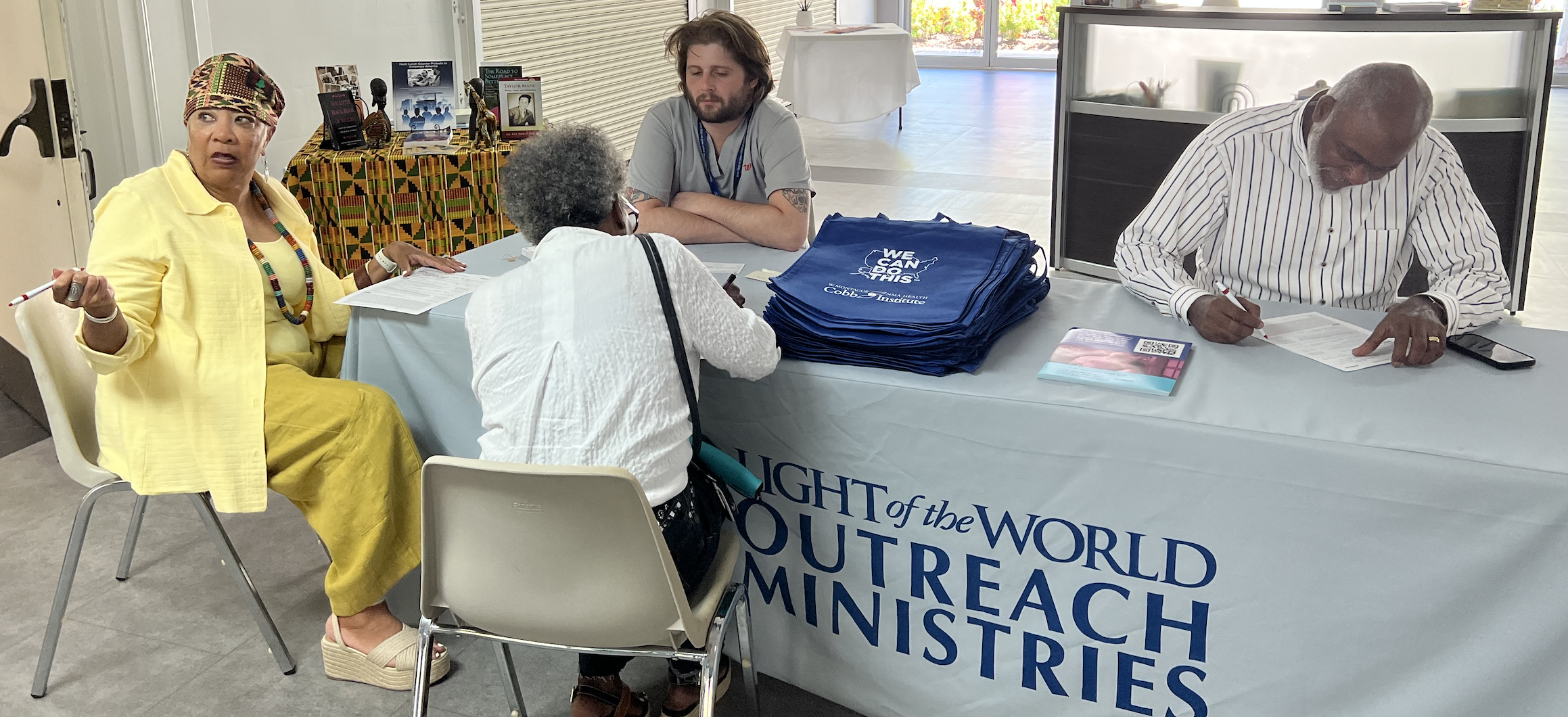
Cobb Institute Vaccination Clinic
Announcements

Join our new community on LinkedIn

August 18th, 2026. The International Medical Exchange in Partnership with The International Society for Telemedicine & eHealth & The Cobb Institute Presents: Digitization for Health in Africa: Harnessing Artificial Intelligence for Health Equity and Universal Health Coverage in Africa. Join global leaders to explore how artificial intelligence is transforming healthcare across Africa. Featuring WHO AFRO, Africa CDC, World Bank, Google Cloud and other strategic partners. Virtual executive zoom webinar. Note: This meeting is not CME accredited. Program. Register.


The W. Montague Cobb/National Medical Association Health Institute, in collaboration with the National Medical Association (NMA), honors the life and enduring legacy of Rev. Jesse L. Jackson, Sr., a towering figure in the pursuit of justice, equity, and human dignity. The full video of this discussion can be found on our webinar page.
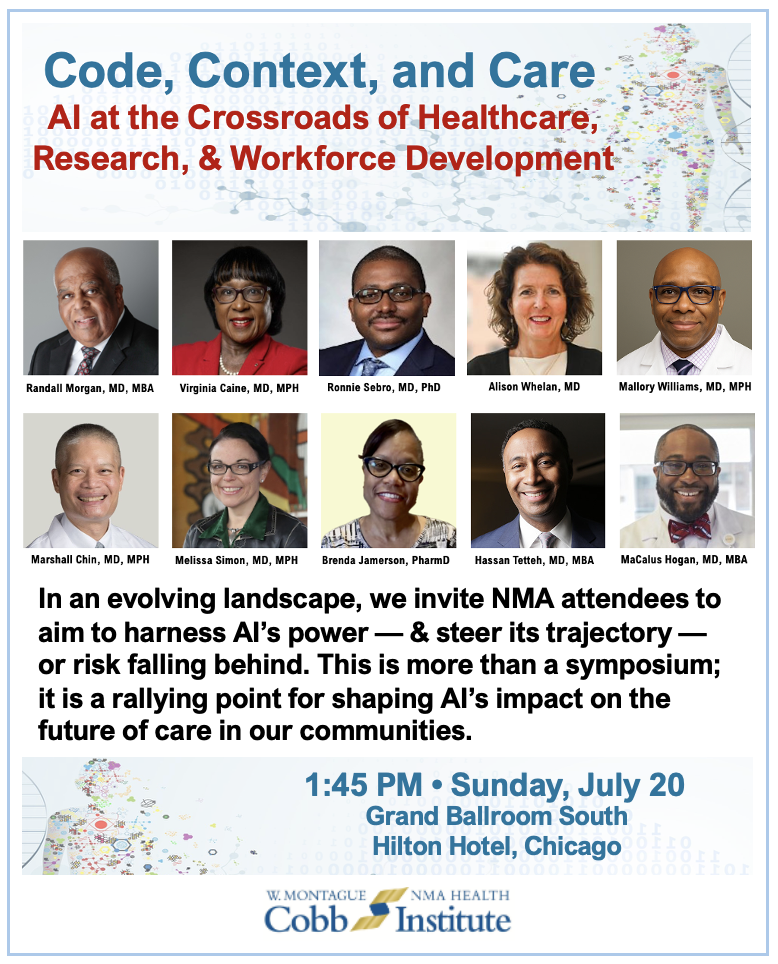
Cobb & Company Podcast Episode 15: Dr. Hassan Tetteh talks about the many ways that artificial intelligence is reshaping healthcare, research, and the workforce, and it's origins in military applications. Cobb Institute Podcast
Physician scientists: Calling all researchers to Join the Project IMPACT 2 subscriber list. Complete the 10-minute survey
Cobb President & CEO Receives JRGOS 2026 Augustus A. White, III, MD, PhD Founders Award: Read more
The Inaugural World Congress on Racial and Ethnic Health Disparities, presented in partnership with NMA, Imhotep, The Cobb Institute and Springer Nature’s Journal of Racial and Ethnic Health Disparities, featured a keynote from Cobb Institute President Dr. Randall Morgan. Read more
2026 W. Montague Cobb/NMA Health Institute Health Disparities Symposium
The 2026 Health Disparities Symposium, presented by the W. Montague Cobb/NMA Health Institute in collaboration with Howard University Hospital, was a great success. The main symposium and the evening gathering were well attended and featured dynamic speakers and presentations.

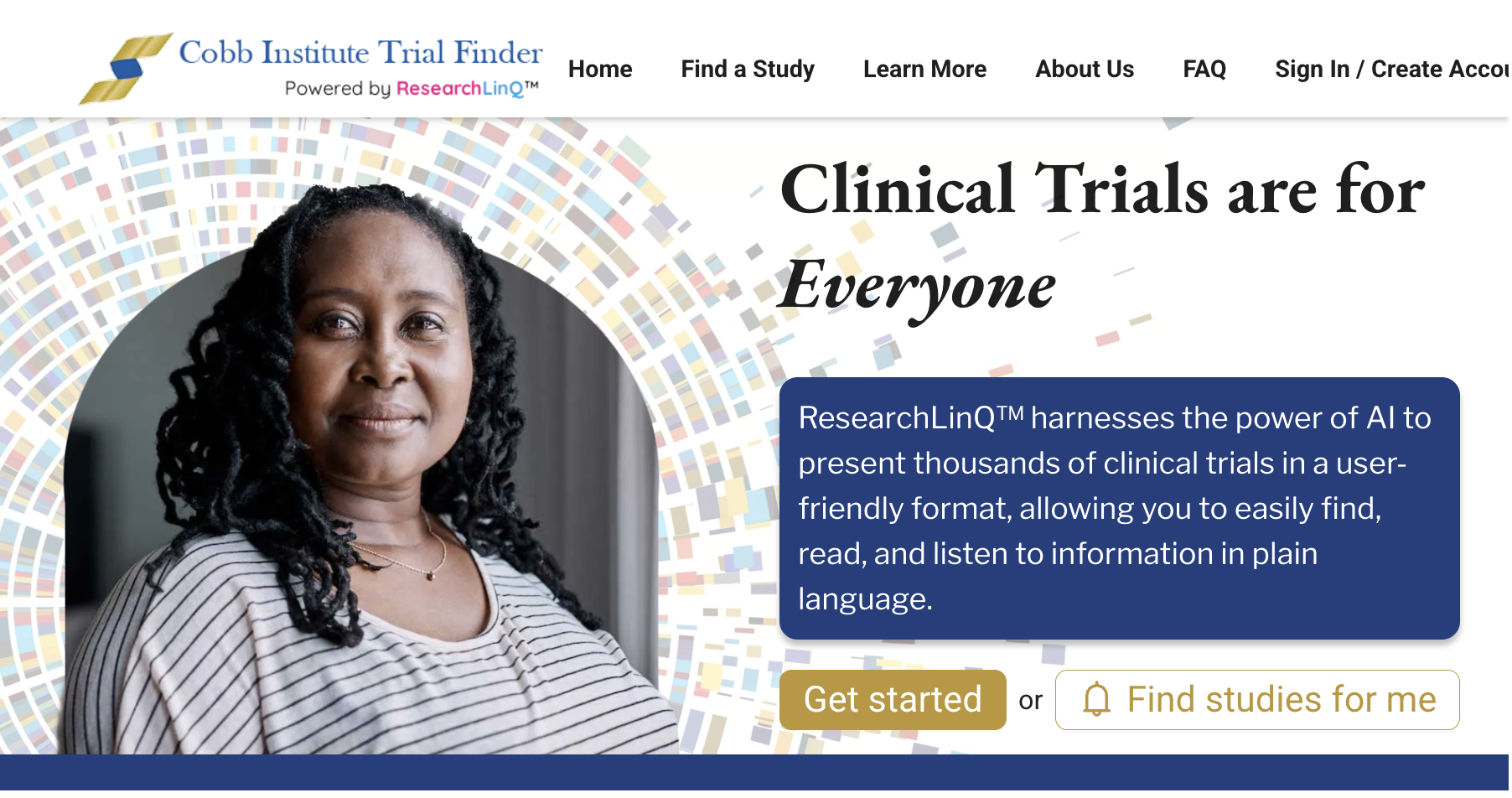
The Cobb Institute is working to make participating in clinical trials easier. Visit our Trial Finder to learn more.
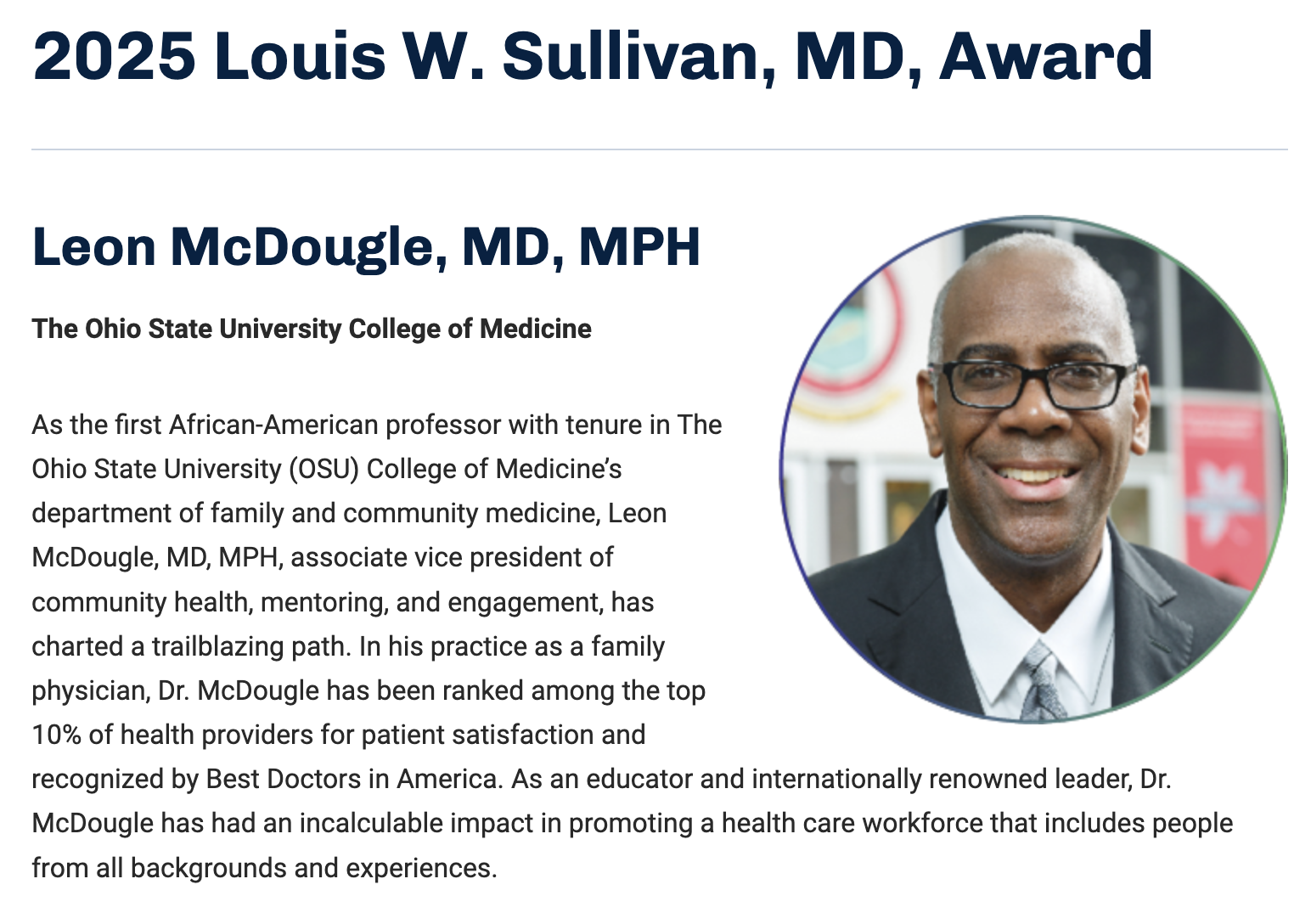
Congratulations to Leon McDougle, MD, MPH, member of the Cobb Institute Board of Directors and the first African-American professor with tenure in The Ohio State University (OSU) College of Medicine’s department of family and community medicine, on receiving the 2025 Louis W. Sullivan, MD, Award from the AAMC. Read the full announcement here.